
If you are searching for changeling names, you may want more than a random list of fantasy words.
A good changeling name should hint at mystery, transformation, folklore, nature, or the strange beauty of a character who does not quite belong to the ordinary world.
Whether you are creating a fantasy novel, D&D character, role-playing game, screenplay, short story, or original fantasy world, the right name can reveal personality before the character even speaks.
Changelings have deep roots in European folklore, where they were often described as supernatural beings secretly exchanged for human children.
Modern fantasy uses the idea in many different ways.
A changeling might be a fairy child, shapeshifter, magical outsider, hidden heir, or someone caught between two worlds.
This guide brings together 160+ changeling name ideas organized by personality and style.
You will find ethereal names, dark names, Celtic-inspired choices, gender-neutral names, whimsical options, powerful fantasy names, and names suited to mysterious characters.
You will also get practical tips for choosing a name that fits your changeling’s story rather than simply sounding magical.
Ethereal Changeling Names for Characters Who Feel Otherworldly
Ethereal changeling names work well for characters who seem beautiful, strange, distant, or touched by another realm.
These names often use soft sounds, flowing syllables, moon imagery, flowers, stars, mist, and dreams.
They are especially useful for fairy changelings, elegant fantasy characters, magical children, elves, spirits, and mysterious travelers.
If your character seems almost human but has something impossible about them, an airy name can make that contrast stronger.
- Aeloria — soft and luminous, ideal for an elegant fairy changeling.
- Elowen — gentle and woodland-inspired.
- Vaelith — mysterious without sounding overly dark.
- Lunara — perfect for a moon-touched character.
- Elaris — graceful and versatile.
- Sylvara — suggests forests and ancient magic.
- Aevryn — suitable for a quiet, enigmatic changeling.
- Isalune — dreamy and delicate.
- Faelira — an obvious choice for a fairy-blooded character.
- Meliora — refined and magical.
- Aerwyn — light, airy, and slightly mysterious.
- Elsinne — elegant enough for a hidden royal.
- Naevia — soft and memorable.
- Orlith — short and unusual.
- Seluneth — ideal for a moonlit fantasy setting.
- Aralyn — gentle and approachable.
- Veloria — beautiful but powerful.
- Eiralis — sounds ancient and enchanted.
- Lyrielle — fitting for a musical or poetic character.
- Auralith — excellent for an ancient magical being.
These names work particularly well when the character’s supernatural nature is meant to feel beautiful before it feels frightening.
Dark Changeling Names for Mysterious and Dangerous Characters
A darker changeling character needs a name with weight.
Dark changeling names can suggest curses, shadows, ancient forests, forgotten kingdoms, or dangerous magic.
They are a strong fit for villains, morally gray characters, gothic fantasy stories, horror settings, and changelings whose arrival creates fear.
You do not need to make every dark name obviously evil.
A subtle name can be more unsettling because the reader discovers its meaning later.
- Morvane — cold and ominous.
- Veydris — sharp and intimidating.
- Noxara — inspired by darkness and night.
- Draveth — powerful and severe.
- Velkris — suited to a dangerous shapeshifter.
- Maelith — mysterious with an ancient feel.
- Ravenae — elegant with a darker edge.
- Zorvyn — ideal for a cunning character.
- Tharvek — strong and threatening.
- Nyxara — night-inspired and dramatic.
- Virel — short, cold, and memorable.
- Draelis — suitable for a secretive antagonist.
- Kharven — rugged and ominous.
- Orevyn — mysterious rather than openly evil.
- Malvera — elegant but sinister.
- Vaerik — powerful and controlled.
- Sableth — shadowy and refined.
- Mordryn — ancient and imposing.
- Velmora — dark and regal.
- Raveth — excellent for a dangerous wanderer.
For a horror story, consider pairing a beautiful first name with a disturbing title.
A character called Elowen the Hollow can feel more memorable than a name that is dark from beginning to end.
Celtic-Inspired Changeling Names With Folklore Flavor
Celtic-inspired names can be especially effective for changeling stories because changeling folklore is strongly associated with traditional European fairy lore.
Names inspired by Celtic languages, landscapes, and sounds can create an old-world atmosphere.
However, there is an important distinction: a name can be Celtic-inspired without being an authentic historical Celtic name.
If historical accuracy matters to your project, research the specific language and period instead of treating invented fantasy names as traditional ones.
- Aislin — soft and dreamlike.
- Branwen — strong, legendary, and elegant.
- Caelith — fantasy-inspired with a Celtic feel.
- Eirwen — delicate and wintry.
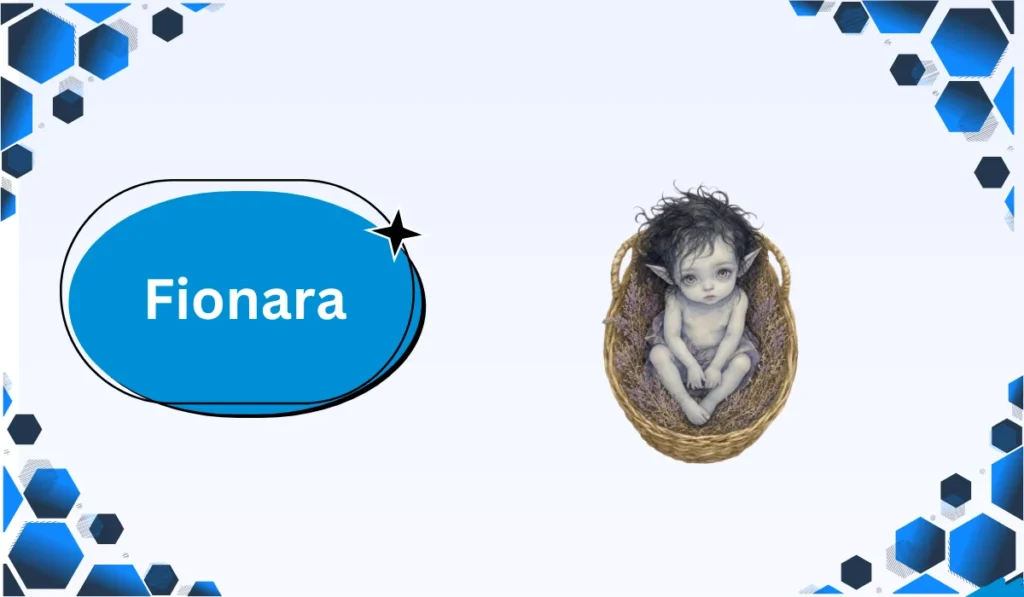
- Fionara — graceful and magical.
- Maevra — regal and mysterious.
- Rhiella — lyrical and fairy-like.
- Tarian — strong and suitable for a protector.
- Eilin — simple and gentle.
- Nerys — compact and memorable.
- Ceryn — woodland-inspired.
- Aderyn — excellent for a bird-associated character.
- Elsin — subtle and old-world.
- Rhosyn — floral and distinctive.
- Brynna — earthy and approachable.
- Caerith — strong enough for a warrior.
- Eira — ideal for a winter-themed character.
- Seren — perfect for a star-themed changeling.
- Gwynara — bright, noble, and magical.
- Taliesin — excellent for a bard, scholar, or prophetic character.
If you want an authentic historical name, verify spelling, pronunciation, meaning, and cultural context before publishing.
This is especially important when writing about real Celtic cultures rather than creating fictional fantasy settings.
Gender-Neutral Changeling Names for Any Fantasy Character
Gender-neutral changeling names are useful when a character’s identity is intentionally fluid, unknown, or unrelated to human expectations.
They also fit shapeshifters particularly well because a being that changes appearance may not have a fixed human identity.
Short names can be especially effective here because they work across different character designs and personalities.
- Aven — simple and versatile.
- Rowan — nature-inspired and familiar.
- Arden — strong and adaptable.
- Briar — perfect for a woodland changeling.
- Wren — small, quick, and memorable.
- Ash — understated and modern.
- River — calm and natural.
- Vale — mysterious and atmospheric.
- Quinn — energetic and approachable.
- Ren — short and flexible.
- Lark — playful and bright.
- Sage — wise and natural.
- Ember — fiery and bold.
- Storm — dramatic and powerful.
- Fable — excellent for a story-centered character.
- Rune — magical without being complicated.
- Echo — ideal for a mysterious shapeshifter.
- Dawn — bright and hopeful.
- Moon — strange and whimsical.
- Silver — elegant and slightly supernatural.
A gender-neutral name can also reinforce the theme of identity and transformation, which makes it especially fitting for a changeling protagonist.
Cute and Whimsical Changeling Names for Mischievous Characters
Not every changeling needs to be frightening.
Some are playful tricksters who steal sweets, hide household objects, imitate animals, or cause harmless chaos.
Cute changeling names work well for children’s fantasy, cozy fantasy, fairy tales, games, and lighthearted role-playing campaigns. Look for names that are easy to say and have a cheerful rhythm.
- Pip — tiny and playful.
- Puck — mischievous and theatrical.
- Tilly — cheerful and friendly.
- Nib — perfect for a tiny creature.
- Mallow — soft and sweet.
- Fizz — energetic and chaotic.
- Bibi — cute and memorable.
- Sprig — woodland-inspired.
- Doodle — ideal for comic fantasy.
- Tumble — perfect for an accident-prone character.
- Poppy — bright and cheerful.
- Midge — tiny and quick.
- Twinkle — magical and innocent.
- Pebble — adorable for a small changeling.
- Fennel — unusual and nature-based.
- Cricket — lively and playful.
- Nettle — cute with a little bite.
- Button — charming and memorable.
- Wiggle — excellent for comic fantasy.
- Moonbean — whimsical and unmistakably magical.
For children’s stories, prioritize names that are easy to pronounce, spell, and remember.
A clever name is less useful if young readers cannot say it.
Powerful Changeling Names for Warriors, Leaders, and Royal Characters
Some changelings are not hidden children or mischievous fairies.
They may be warriors, rulers, magical champions, ancient nobles, or heirs to supernatural kingdoms.
Powerful changeling names should sound confident without becoming difficult to pronounce.
Hard consonants, strong endings, and compact syllables can help create authority.
- Vaelor — commanding and royal.
- Kaelith — strong but elegant.
- Draven — ideal for a warrior.
- Arveth — ancient and noble.
- Thalion — heroic and refined.
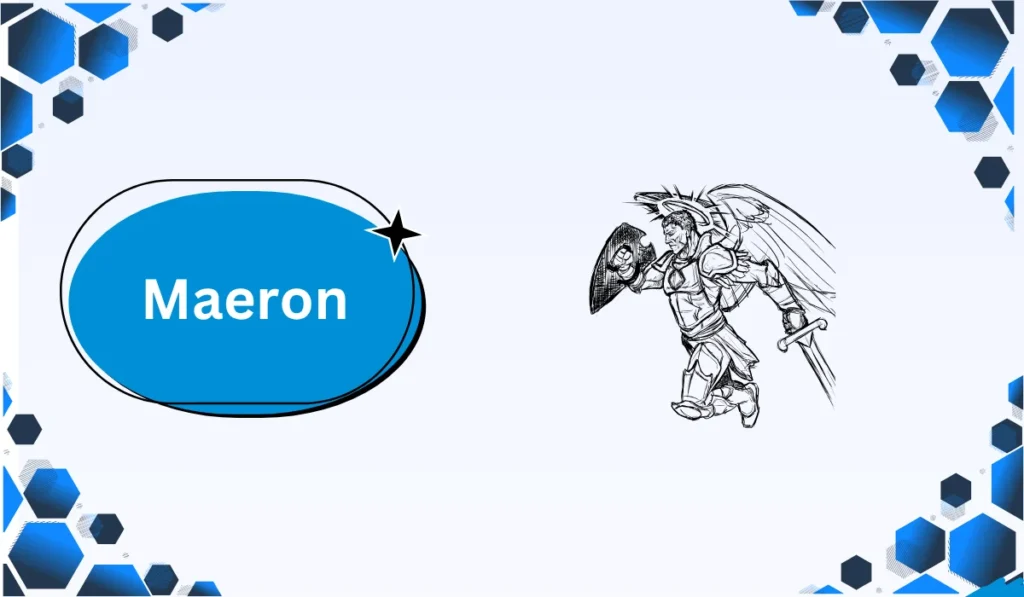
- Maeron — suitable for a prince or leader.
- Varek — short and forceful.
- Caedryn — regal and old-world.
- Torven — rugged and powerful.
- Rhaelis — noble and mysterious.
- Valen — simple and heroic.
- Dareth — excellent for a commander.
- Aeron — adaptable and strong.
- Kieran — familiar yet fantasy-friendly.
- Evander — heroic and sophisticated.
- Corven — darkly regal.
- Theron — powerful and controlled.
- Alaric — ideal for an ancient ruler.
- Rowaneth — nature-based with royal weight.
- Zevran — dramatic and distinctive.
For a royal changeling, consider giving the character two names: a human name used by their adopted family and a fae name used by their supernatural kin.
That simple device can create instant story tension.
Nature-Inspired Changeling Names for Forest, Fairy, and Fae Characters
Nature names are a natural match for changelings associated with forests, meadows, rivers, flowers, animals, or seasonal magic.
They can also make a character feel connected to a specific landscape.
Instead of choosing a generic fantasy name, think about the environment where the changeling grew up.
A marsh-born character might have a very different name from one raised in a mountain forest.
- Willow — graceful and woodland-based.
- Hazel — warm and earthy.
- Fern — simple and natural.
- Clover — cheerful and lucky.
- Juniper — wild and distinctive.
- Ivy — elegant and persistent.
- Rowan — strong woodland imagery.
- Briar — beautiful with a thorny edge.
- Aspen — cool and forest-like.
- Laurel — classic and graceful.
- Maple — warm and approachable.
- Cedar — strong and grounded.
- Moss — quiet and unusual.
- Thistle — ideal for a stubborn character.
- Marigold — bright and optimistic.
- Bluebell — delicate and fairy-like.
- Hawthorn — ancient and protective.
- Linden — gentle and natural.
- River — fluid and adaptable.
- Flint — earthy and tough.
Nature names are especially effective when the character’s personality reflects the name.
Briar feels more meaningful for a prickly, defensive character than for someone gentle and passive.
Unique Fantasy Changeling Names for Original Worlds and Stories
When you are building your own fantasy world, you may want a name that does not immediately remind readers of a familiar character. Invented names give you more freedom, but originality should not mean making the name impossible to read.
A useful fantasy name should still have a clear sound pattern.
These names are designed to feel unfamiliar while remaining readable.
- Avenriel — elegant and expansive.
- Vaelora — graceful and memorable.
- Eryndel — ancient and adventurous.
- Solvayne — mysterious and refined.
- Nyveris — dark and unusual.
- Elvarin — suitable for an old magical lineage.
- Caelora — bright and noble.
- Virelia — elegant and otherworldly.
- Theryn — compact and versatile.
- Orivane — mysterious and sophisticated.
- Zelarith — powerful and strange.
- Aevorin — ideal for an ancient traveler.
- Lysarae — lyrical and magical.
- Velaryn — suitable for royalty.
- Orynth — short and mysterious.
- Faevren — clearly supernatural without being too obvious.
- Miraveth — elegant and dramatic.
- Sylorien — perfect for a forest realm.
- Aravelle — soft and regal.
- Nymora — magical and memorable.
When inventing a name, say it out loud several times.
If you stumble over it every time, your readers probably will too.
Good fantasy naming balances novelty with readability.
How to Choose the Best Changeling Name for Your Character
The strongest changeling name is not necessarily the strangest one.
It is the name that supports the character’s identity, setting, and role.
Before choosing, think about who gave the name to the character and why.
Here are 20 practical approaches you can use:
- Match the character’s personality — gentle characters suit softer sounds, while aggressive characters can use sharper names.
- Consider their origin — a forest changeling might have a nature-based name.
- Think about their upbringing — a changeling raised by humans may have an ordinary human name.
- Give them two identities — use one human name and one supernatural name.
- Use symbolism — connect the name to moonlight, mist, thorns, fire, birds, or stars.
- Match the genre — cozy fantasy needs a different naming style than dark fantasy horror.
- Consider the audience — children’s books need names that are easy to pronounce.
- Check pronunciation — avoid unnecessary confusion unless it serves the story.
- Avoid accidental repetition — make sure the name does not sound too similar to another major character.
- Think about nicknames — a long fantasy name can become more natural with a short nickname.
- Use contrast — a frightening character with a sweet name can be very memorable.
- Create naming traditions — supernatural families might follow specific naming patterns.
- Use titles carefully — titles such as The Hollow, Moonborn, or Thorn-Keeper can add depth.
- Consider age — a cute name may work for a child but sound odd for an ancient being.
- Reflect transformation — a shapeshifter might have a name related to change or identity.
- Avoid excessive apostrophes — unusual punctuation does not automatically make a name more original.
- Keep important names memorable — protagonists benefit from names readers can recall easily.
- Check cultural references — research real names before assigning meanings that may be inaccurate.
- Test the name in dialogue — say, “Come back, [name]!” and see whether it feels natural.
- Choose a name with story potential — the best name can become part of the character’s history.
A useful rule is sound first, meaning second, symbolism third. Readers usually experience a name as a sound before they learn its backstory.
Changeling Naming Mistakes to Avoid
A name can sound magical and still be wrong for your story.
The most common mistake is choosing a name because it looks fantasy-like without considering whether it fits the character.
Another problem is using several names that sound almost identical.
If your cast contains Vaelor, Vaelith, Vaelorin, and Vaeriel, readers may struggle to remember who is who.
Avoid these common problems:
- Overcomplicated spelling: A name that requires constant explanation can interrupt the story.
- Too many apostrophes: They can make every character sound like they come from the same fantasy generator.
- Meaning mismatch: Do not give a gentle character a name associated with destruction unless the contrast is intentional.
- Cultural inaccuracies: Do not label invented names as authentic historical names without checking reliable sources.
- Sound repetition: Give major characters distinct opening and ending sounds.
- Generic fantasy overload: Names like Shadow, Dark, Night, and Moon can become predictable when overused.
- Ignoring the setting: A modern urban changeling may need a different name style from one living in an ancient fae court.
- Forgetting nicknames: A ten-syllable name may become awkward in everyday dialogue.
- Naming every character equally: Important characters should usually have the most memorable names.
- Choosing style over story: A beautiful name cannot rescue a character who lacks a clear identity.
Your naming system should make the world feel more believable, not merely more complicated.
FAQs
What are good names for a changeling?
Good changeling names often combine mystery, nature, folklore, and transformation.
Choices such as Elowen, Briar, Aven, Rowan, Vaelor, Lunara, and Sylvara can work for different character types.
The best option depends on whether your changeling is playful, frightening, royal, heroic, or connected to the fae.
What is a traditional changeling name?
There is no single traditional naming system used for all changelings.
In folklore, the term “changeling” describes a supernatural child or being believed to have been substituted for a human child.
Different European traditions tell these stories differently, so a historically accurate name should match the specific culture and period.
Are changeling names usually male or female?
Changeling names can be male, female, or gender-neutral.
Modern fantasy gives authors complete freedom to create naming systems around shapeshifting and supernatural identity.
Gender-neutral names such as Ash, Wren, Vale, Rowan, Ren, and Briar can work particularly well for changeling characters.
What makes a name sound like a fairy name?
Fairy-style names often use soft consonants, flowing syllables, nature imagery, and references to stars, flowers, forests, moonlight, or magic.
However, there is no universal formula.
A short name like Wren can feel fairy-like, while a stronger name like Vaelor can suggest a powerful fae ruler.
What are good dark changeling names?
Dark changeling names can include Morvane, Noxara, Veydris, Sableth, Mordryn, Nyxara, and Velmora.
These names work well for gothic, horror, villainous, or morally gray characters.
A dark name does not have to mean the character is evil; it can simply create an ominous atmosphere.
Can changelings have human names?
Absolutely. A changeling raised by humans might have a completely ordinary human name.
This can actually strengthen the story because the supernatural identity becomes a contrast with the character’s everyday identity.
Giving a changeling both a human name and a fae name can also create interesting plot opportunities.
Should a changeling name have a meaning?
It does not have to, but a meaningful name can add depth.
You can connect the name to the character’s origin, personality, appearance, powers, family, or fate.
If you use a real-world language for the meaning, verify the translation and cultural context rather than relying on an invented fantasy definition.
How do I create my own changeling name?
Start with the character’s personality and origin.
Choose a sound style, such as soft and lyrical or sharp and ancient. Then combine readable syllables and test the result aloud.
Finally, check that the name is distinct from other characters and fits the culture and time period of your fictional world.
Are changeling names good for D&D characters?
Yes. Changeling characters are especially suited to names that reflect identity, transformation, and different social roles.
A D&D changeling could use a birth name, an adventuring name, and several identities adopted during shapeshifting.
This can turn the character’s name into part of the role-playing experience.
What is the best changeling name?
There is no single best changeling name. The right choice depends on your character and story.
Elowen works for an elegant woodland character, Briar suits a prickly nature-based personality, Vaelor fits a powerful fantasy leader, and Pip works beautifully for a playful little changeling.
Conclusion
The best changeling names do more than sound magical.
They give readers a clue about where a character comes from, how they behave, and what makes them different.
Whether you want an ethereal fairy name, a dark supernatural name, a Celtic-inspired choice, a gender-neutral option, or a completely original fantasy name, start with the character rather than the word itself.
Think about their world, personality, relationships, powers, and identity.
Then choose a name that supports those details.
You can also give your changeling multiple names to reflect different lives or forms. Most importantly, choose something memorable and easy enough for readers to enjoy.
A great changeling name should feel like it belongs to the character—and like it could only belong to them.
